
Description
I. Thyme Product Information
Product Name: Thyme Seeds
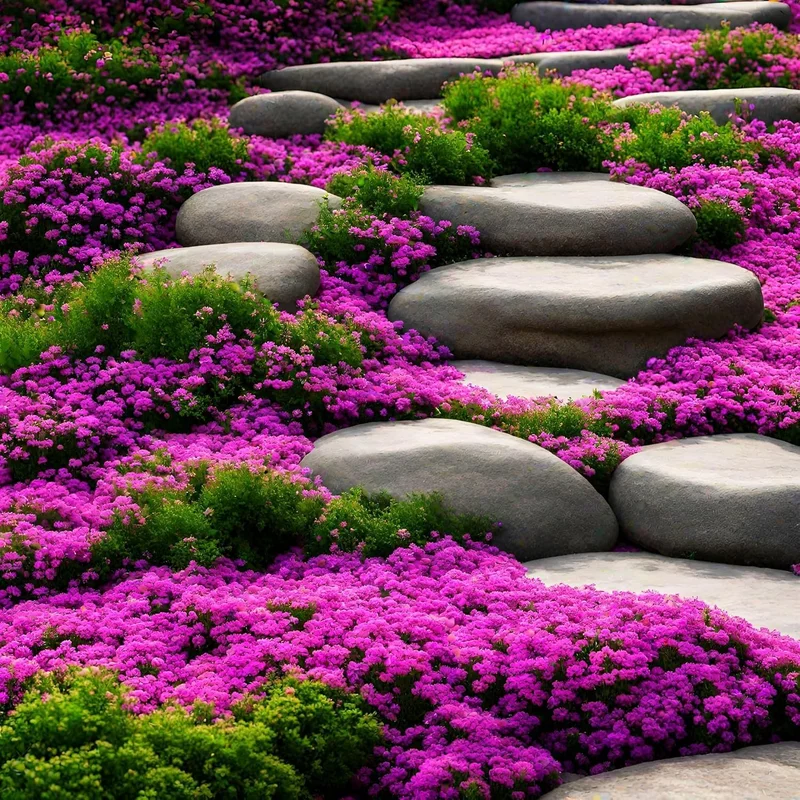
Product Features: A perennial aromatic trailing herb with a low-growing habit (5-15cm in height). It grows densely with strong trailing and spreading ability, featuring small, thick leaves and a unique, fresh fragrance. It has three main values: edibility, ornamental use, and aromatic properties. Blooming from April to June, it produces clusters of small flowers in colors including light purple, pink, and white. When planted in large areas, it forms a beautiful flower blanket, making it suitable for garden ground cover, rock garden decoration, potted plants, and balcony herb gardens.
Core Advantages: Highly adaptable, with strong tolerance to poor soil, drought, and cold. It is easy to maintain and survive, making it ideal for beginners. Its leaves are edible and can be used for cooking seasoning, making tea, and producing essential oils. With a low-growing and neat habit, it does not require frequent pruning.
II. Thyme Planting Conditions
1. Light Requirements
It prefers full sunlight, requiring 4-6 hours of direct sunlight per day, and can also tolerate partial shade (such as under tree canopies or on balconies with scattered light). Insufficient light will lead to leggy growth, weak fragrance, and reduced flowering. It is recommended to plant it in a well-ventilated, sunny location.
2. Soil Requirements
It thrives in loose, well-drained neutral to slightly alkaline soil (pH 6.0-7.5) and is tolerant of poor soil. It is not suitable for heavy, waterlogged soil. The soil can be prepared by mixing leaf mold, garden soil, and river sand in a ratio of 2:2:1, or general-purpose gardening soil can be used directly. Before planting, add a small amount of organic fertilizer (such as decomposed sheep manure or slow-release fertilizer) to improve soil fertility.
3. Temperature Requirements
It has strong cold resistance, able to tolerate temperatures as low as around -15℃. The optimal growth temperature is 15-25℃. It is suitable for USDA hardiness zones 4-10. In hot summer, provide proper shade; in cold winter, it can overwinter outdoors directly, and a thin film can be used for insulation in northern regions.
4. Watering Requirements
It is drought-tolerant but not waterlogging-tolerant. Follow the principle of “water when the soil surface is dry” — water thoroughly when the soil surface is dry, but avoid water accumulation (which can cause root rot). During the growing season (spring and autumn), increase the watering frequency appropriately. In hot and dry summer, spray water on the leaves to increase humidity; in winter, reduce watering to keep the soil slightly dry.
5. Planting Method
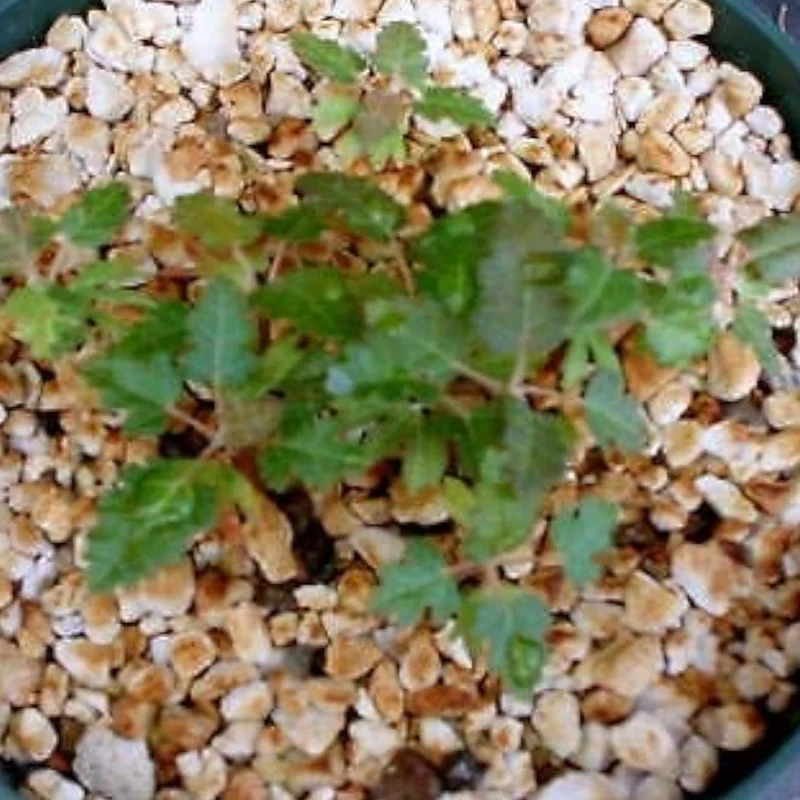
Seed Planting: The best sowing time is spring or autumn. Evenly spread the seeds on the soil surface, cover with a 1-2mm thin layer of soil, and spray water to keep the soil moist. Maintain a temperature of 15-20℃, and germination will occur in about 7-10 days. When the seedlings have 3-4 true leaves, they can be transplanted and planted. The planting spacing is 15-20cm (can be densified to 10cm for ground cover planting). After planting, water thoroughly to help the seedlings take root, and normal maintenance can be carried out after 1-2 weeks of acclimation.
6. Post-Planting Maintenance
During the growing season, apply a dilute liquid fertilizer (such as decomposed rice water or diluted compound fertilizer) once a month to promote growth. After flowering, prune appropriately to remove withered flowers and overgrown branches, encouraging new branching. Repot once a year in spring with new soil to prevent soil compaction.
Reviews
There are no reviews yet.